
Gambling addiction treatment involves a combination of professional support, therapy, peer groups, medications, and self-help strategies. Common therapies include Cognitive Behavioral Therapy and Motivational Interviewing, which help change harmful behaviors and build motivation JQK. Support groups provide community and accountability, while medications manage co-occurring mental health issues. Holistic approaches and financial skills also play a role. Individuals seeking recovery can explore these options tailored to personal needs to regain control and maintain lasting sobriety. Further details explain these approaches.’
Signs You Might Have a Gambling Problem
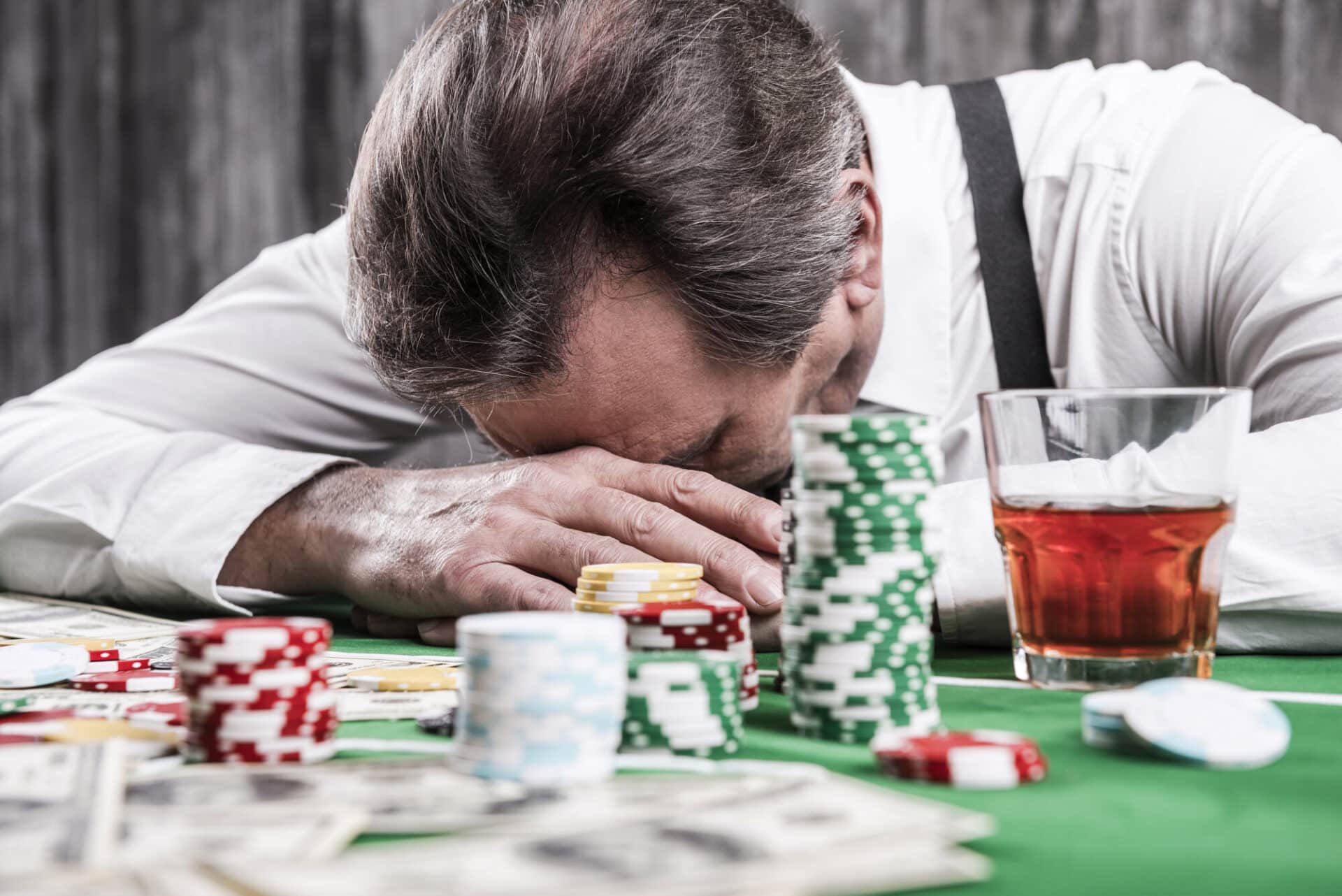
Individuals often exhibit specific behaviors and patterns that indicate a potential gambling problem. These signs include an increasing preoccupation with gambling, such as constantly thinking about past bets or planning future ones.
A person may also gamble with larger amounts of money jqk club, chasing losses in an effort to recover funds. Financial difficulties, like borrowing money or selling possessions to gamble, are common indicators.
Additionally, secrecy and lies about gambling activities often emerge, along with neglecting responsibilities at work, home, or in relationships.
Emotional changes such as irritability, restlessness, or anxiety when not gambling may be present. Recognizing these signs early is essential for preserving personal freedom, allowing individuals to regain control over their choices and avoid further consequences associated with unchecked gambling behavior.
Overview of Gambling Addiction Treatment Options
When addressing gambling addiction, a range of treatment options exists to support recovery and promote lasting change. These options aim to empower individuals to regain control over their lives and break free from compulsive behaviors.
Treatment often includes a combination of professional support, self-help resources, and peer groups, each tailored to individual needs. Medically supervised interventions may be necessary in severe cases to manage withdrawal and co-occurring mental health issues.
Holistic approaches, including lifestyle changes and stress management techniques, also contribute to sustained recovery. Access to diverse treatment paths allows individuals to find the most effective strategies for their unique circumstances, fostering autonomy and resilience on the journey toward freedom from gambling addiction.
Therapy Options for Gambling Addiction
Exploring therapy options reveals a variety of evidence-based approaches designed to address the complex nature of gambling addiction. Cognitive Behavioral Therapy (CBT) is widely recognized for helping individuals identify and change harmful thought patterns linked to gambling urges. Motivational Interviewing (MI) supports personal motivation, empowering individuals to commit to recovery on their own terms. Additionally, therapies such as mindfulness-based interventions cultivate awareness and self-control, assisting in managing triggers without resorting to gambling.
Some treatment plans incorporate individual or family therapy to rebuild relationships and address underlying emotional issues. These structured therapeutic approaches provide tools for regaining autonomy and breaking free from compulsive behaviors, emphasizing self-directed change and sustainable recovery. Overall, therapy options offer adaptable pathways that respect individual freedom while fostering long-term resilience against gambling addiction.
Support Groups and Gambling Addiction Recovery
Among the most effective resources for overcoming gambling addiction are support groups, which offer a structured environment for sharing experiences and receiving peer encouragement. These groups provide a sense of community and accountability, helping individuals break free from isolation that often accompanies addiction.
Participants benefit from hearing others’ stories, gaining insight, and developing coping strategies. Support groups emphasize mutual respect and confidentiality, creating a safe space for honest expression.
Regular attendance fosters discipline and reinforces commitment to recovery. By connecting with others who understand the challenges firsthand, individuals can rebuild self-confidence and regain control over their lives.
This collective approach complements professional treatment by addressing emotional and social aspects essential to sustained freedom from gambling addiction.
Medications and Self-Help Strategies for Long-Term Recovery
While support groups provide valuable social and emotional reinforcement, long-term recovery from gambling addiction often benefits from a combination of medical and personal interventions.
Medications such as antidepressants or mood stabilizers may help manage underlying conditions like depression or anxiety that fuel compulsive gambling, supporting mental balance and self-control. Alongside pharmacological treatments, self-help strategies empower individuals to reclaim autonomy.
Techniques such as mindfulness, cognitive-behavioral exercises, and financial management skills foster awareness and discipline, reducing relapse risk. Establishing routines that promote healthy habits and avoiding triggers further strengthens resolve.
Together, these approaches create an all-encompassing framework enabling sustained freedom from gambling’s grip, emphasizing personal responsibility and medical support to maintain lasting recovery.
Conclusion
Gambling addiction requires comprehensive treatment tailored to individual needs. Recognizing the signs is essential for early intervention. Therapy, support groups, medications, and self-help strategies collectively contribute to successful recovery. Professional guidance combined with peer support enhances the chances of long-term sobriety. Sustained commitment and a structured approach are essential for overcoming gambling addiction and rebuilding a balanced life. Continued awareness and access to resources remain vital in supporting those affected.
