
Have you ever considered how our choices in burial practices affect the environment? Hong En Life is pioneering eco-burial in Malaysia, offering a sustainable alternative that not only honors the deceased but also nurtures the earth. By embracing biodegradable materials flower burial malaysia, this approach reshapes how we remember our loved ones. But what implications does this shift have for our communities and future generations? Exploring these questions reveals a deeper connection to both memory and nature.
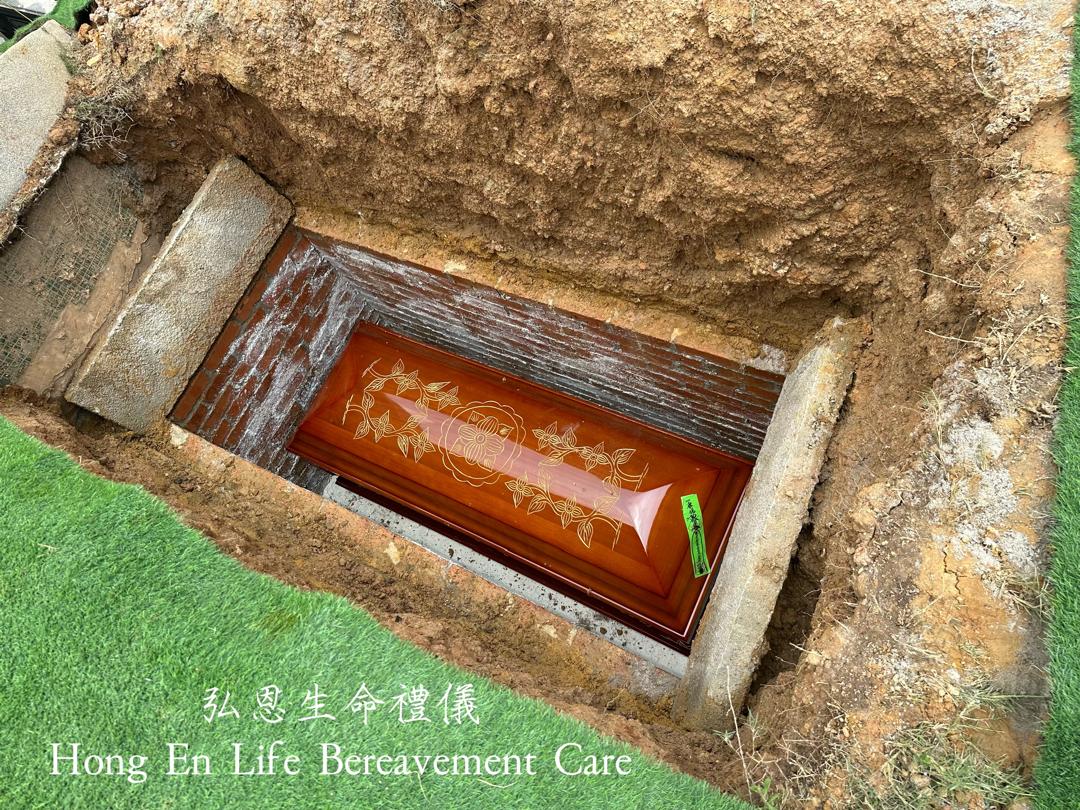
The Concept of Eco-Burial: A Sustainable Alternative
As you consider end-of-life options, eco-burial emerges as a compelling alternative that prioritizes sustainability and environmental stewardship.
This approach embraces natural decomposition https://hongenlife.com/en/flower-burial/, allowing the body to return to the earth without harmful chemicals or conventional burial practices.
Rather than using metal caskets or concrete vaults, eco-burial employs biodegradable materials, such as bamboo or untreated wood, ensuring that your final resting place nourishes the soil.
Hong En Life’s Vision for Eco-Burial in Malaysia
You might be surprised to learn how Hong En Life is reshaping burial practices in Malaysia with a strong commitment to sustainability.
By prioritizing eco-friendly methods, they’re raising awareness about the environmental impact of traditional burials.
Understanding their vision could inspire you to contemplate a greener alternative for honoring loved ones.
Sustainable Burial Practices
While traditional burial methods often contribute to environmental degradation, sustainable burial practices offer a promising alternative that aligns with Hong En Life’s vision for eco-burial in Malaysia.
You might be surprised to learn about green funerals, which prioritize the planet while honoring loved ones. By opting for biodegradable caskets made from natural materials, you can markedly reduce your ecological footprint.
These caskets decompose, enriching the earth instead of polluting it. Imagine leaving a legacy that nurtures the environment rather than harming it.
Embracing sustainable burial practices not only reflects a commitment to nature but also fosters a deeper connection to life itself. When you choose eco-burial, you’re advocating for a future where memories thrive harmoniously with the world around us.
Environmental Impact Awareness
Understanding the environmental impact of traditional burial practices is essential for fostering a sustainable future in Malaysia. By embracing eco-burial, you’re not just honoring loved ones; you’re championing sustainable practices that respect the earth.
Traditional methods often involve toxic materials and land degradation, but eco-burial offers a natural alternative, promoting soil health and biodiversity.
You can be part of a movement that prioritizes environmental education, raising awareness about how our choices affect the planet. Encourage discussions on sustainable end-of-life options within your community.
The more you share this knowledge, the greater the impact. Together, let’s redefine legacies and create a future where memories flourish harmoniously with nature. Choose eco-burial and inspire others to think sustainably about their final journey.
The Environmental Impact of Traditional Burial Practices
Traditional burial practices, often steeped in cultural significance, can have significant environmental repercussions that many overlook. These methods typically involve the use of non-biodegradable materials like caskets made from metal and hardwood, which can take decades to decompose. The chemicals used in embalming fluids also pose a threat to soil and water quality.
You mightn’t realize that expansive graveyards disrupt local ecosystems, with their manicured lawns requiring harmful pesticides and fertilizers that further pollute the environment.
In contrast, embracing eco-friendly alternatives allows for green landscaping that promotes biodiversity. By opting for biodegradable materials, you contribute to a healthier planet.
Imagine a resting place that nurtures the earth instead of harming it—this isn’t just a dream; it’s a choice you can make. As you contemplate how to honor loved ones, consider how you can also protect the environment for future generations.

Honoring Memories Through Sustainable Memorialization
As you seek meaningful ways to honor your loved ones, consider how sustainable memorialization can create lasting tributes that respect both their memory and the planet.
By choosing eco-friendly options, you enable memory preservation that aligns with values of sustainability. Imagine a biodegradable urn that nourishes a tree, transforming grief into a living legacy. This doesn’t just commemorate a life; it contributes to a healthier environment.
Sustainable legacies allow you to celebrate your loved one’s spirit while making a positive impact. You can explore alternatives like natural stone markers or planting native flora, ensuring your tribute harmonizes with nature.
Each choice reflects your commitment to honoring their memory in a way that’s mindful and responsible.
In embracing sustainable memorialization, you’re not only preserving memories but also advocating for a greener future, creating a powerful connection between remembrance and environmental stewardship.
Community Engagement and Education on Eco-Burial
How can communities come together to promote eco-burial practices effectively? One powerful way is through community workshops that engage individuals in meaningful discussions about sustainability and memorialization.
These workshops can demystify eco-burial, showing how it not only respects the environment but also honors loved ones in a conscious manner.
Additionally, implementing educational programs in schools and community centers can spark curiosity and awareness among younger generations. By teaching them about eco-burial options, you’re fostering a culture that values environmental responsibility and innovative memorial practices.
Encouraging local leaders and influencers to participate in these initiatives amplifies their reach, making sustainable choices accessible and appealing.
When communities unite in shared knowledge and purpose, you’re not just promoting eco-burial; you’re creating a movement that celebrates life, freedom, and our planet.
Embrace the opportunity to educate and engage—it’s time to transform how we think about memorialization.
The Future of Eco-Burial and Its Role in Malaysian Culture
As you explore the future of eco-burial in Malaysia, consider how cultural acceptance is evolving alongside innovations in burial practices.
You’ll find that these environmentally friendly options not only honor traditions but also offer significant benefits for the planet.
Embracing this shift could redefine how communities approach death and sustainability together.
Cultural Acceptance of Eco-Burial
While traditional burial practices have long been entrenched in Malaysian culture, the growing awareness of environmental issues is prompting a shift towards eco-burial.
You might find that cultural perceptions around death and remembrance are evolving, as more people recognize the importance of sustainability.
Traditional beliefs often emphasize elaborate rituals, yet eco-burial offers a simpler, more eco-conscious alternative.
This shift doesn’t dismiss the past; rather, it invites a new conversation about how we honor our loved ones while respecting the planet.
As you consider this change, think about how embracing eco-burial can align with your values and foster a sense of freedom in choosing a legacy that reflects both love for family and care for the Earth.
Environmental Benefits of Eco-Burial
The shift towards eco-burial not only reflects changing cultural attitudes but also brings significant environmental benefits that resonate with Malaysia’s commitment to sustainability.
By choosing biodegradable materials for burial, you promote natural decomposition, allowing the body to return to the earth harmoniously. This practice reduces the use of harmful chemicals found in traditional burial methods, which can leach into the soil and water.
Eco-burial also minimizes land use, preserving green spaces for future generations. You contribute to a healthier ecosystem by opting for eco-burials, encouraging biodiversity and reducing your carbon footprint.
Ultimately, embracing eco-burial isn’t just about honoring loved ones; it’s a powerful statement that aligns with a sustainable future, fostering a culture of respect for the environment.
Innovations in Eco-Burial Practices
Innovative eco-burial practices are reshaping how you might think about end-of-life arrangements in Malaysia, blending tradition with modern sustainability.
Imagine a farewell that honors life through biodegradable materials, allowing your loved ones to return to the earth naturally. Green funerals emphasize simplicity and connection to nature, encouraging you to reflect on what truly matters.
As you explore these options, consider how they align with your values—offering a meaningful alternative to conventional burials.
The rise of eco-burial not only nurtures the environment but also fosters a culture of remembrance that transcends generations. By embracing these innovations, you can contribute to a healthier planet while celebrating the lives of those you cherish.
It’s time to rethink how we say goodbye.
Conclusion
In embracing eco-burial, you’re not just honoring loved ones; you’re fostering a sustainable future. By choosing biodegradable materials and engaging in meaningful memorialization, you contribute to a cultural shift that prioritizes environmental stewardship. As you discuss and advocate for these practices, you inspire others to reflect on their impact on the earth. Together, let’s redefine how we remember, ensuring that our memories nurture both the spirit of our loved ones and the planet for generations to come.
